Getting a Service Van to Your Penha Address: Access Realities
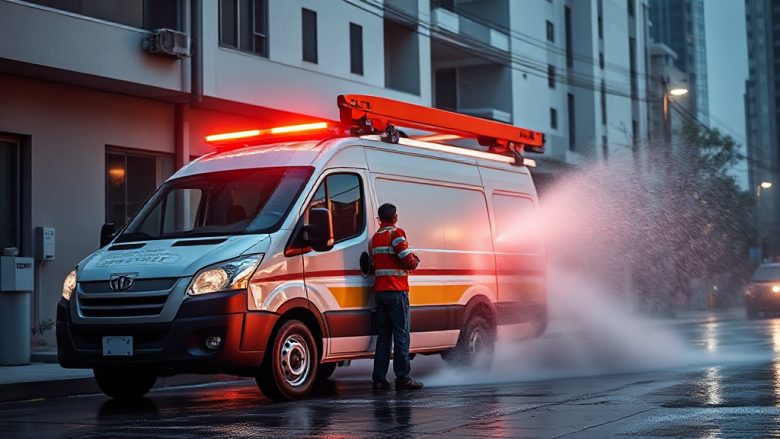
You are standing at the window watching a service van circle the block for the third time. The street is narrow, one side is lined with parked cars, and the driver cannot find a spot wide enough to stop without blocking traffic. This is not a courtesy problem — it is a planning problem, and it happens every day in Penha and Ponte Rasa. If you need a desentupidora Ponte Rasa São Paulo SP, understanding how access logistics work will save you time, money, and frustration.
The search intent behind this topic is practical: you want to know how to get a service vehicle to your property quickly and without complications. That means thinking about street width, gate clearance, parking rules, and how equipment moves from the van to the blockage. Below, we break down each factor and show how to smooth the visit.
Street Width and Parking Realities in Penha
Many streets in Penha and Ponte Rasa were laid out decades ago, before large utility vans became standard. A typical desentupidora van or truck with hydrojetting equipment can be wider than a passenger car and may need extra room to maneuver. When cars park on both sides, the remaining lane can be too tight for the vehicle to stop safely.
Residents often assume the driver will simply double-park. But a blocked lane can delay the service and create friction with neighbors. Access planning starts before the van arrives, and it usually involves reserving a clear spot or warning neighbors in advance.
What to check on your street
- Is there a no-parking zone or loading area nearby that the van can use?
- Are there trees, lampposts, or utility poles that narrow the usable width?
- Does the street have a slope or curve that makes stopping harder?
- Are there regular delivery trucks or garbage collection times you should avoid?
If your street is particularly tight, mention it when you call. A company like Desentupidora Suprema, which handles emergency calls across São Paulo, can advise on the best arrival window or suggest a nearby meeting point. For a desentupidora Ponte Rasa, local knowledge of these streets is part of the service.
Gate Entrances, Condominiums, and Clearance
Gated houses and condominium entrances add another layer. A standard gate may be wide enough for a car but not for a service van with a hose reel or a hydrojetting unit. The driver needs to know the gate width, the turning radius, and whether there is a ramp or step.
In condominiums, the service vehicle often cannot enter the internal area at all. Instead, the team parks outside and runs hoses or cables through a side entrance or service corridor. Clearance is measured in meters, not guesses — a few centimeters can mean the difference between a smooth entry and a damaged gate.
How to prepare your entrance
- Measure the gate opening and note any posts or walls that reduce it.
- Check if there is a service entrance separate from the main gate.
- Clear the path from the gate to the blockage point — remove bikes, planters, or trash bins.
- Inform the building manager or doorman about the expected arrival time.
If you live in a gated house, consider opening the gate before the van arrives and guiding the driver in. For a desentupidora em Ponte Rasa São Paulo SP, technicians are used to tight entrances, but they still need accurate information to avoid delays.
Equipment Routing: From Van to Blockage
Even if the van parks perfectly, the equipment must reach the problem area. Desentupimento and hydrojetting involve hoses, rods, and sometimes a pump that stays in the vehicle. The route from the van to the drain or cleanout can be long, especially in buildings set back from the street.
Hoses are heavy and stiff; they cannot make sharp turns around furniture or through narrow doors without kinking. A clear, direct path reduces both time and the risk of damage to walls, floors, and landscaping. If the blockage is in a basement or backyard, check that there is a straight line or a wide enough corridor for the hose to pass.
Common routing obstacles
- Security bars or low windows that block hose access.
- Steps or thresholds that require lifting heavy equipment.
- Furniture or stored items in the path.
- Pets or children who may interfere during the service.
For fossa séptica cleaning, the truck may need to position its vacuum hose near the tank lid. If the lid is in a hard-to-reach corner, the team may need to use extension hoses. Mention any known obstacles when you schedule the visit.
Smoothing the Visit: Practical Steps for Residents
The best way to avoid a van circling the block is to communicate early and clearly. When you call for service, provide the exact address, the type of entrance, and any parking restrictions. Ask if the company needs you to reserve a spot or notify neighbors.
On the day of the visit, keep your phone nearby. If the driver calls because they cannot find the address or a parking spot, you can guide them in real time. A two-minute phone call can save twenty minutes of circling. Also, confirm the service window — emergency calls may arrive at any hour, while scheduled maintenance can be planned for quieter times.
Checklist before the van arrives
- Clear the parking area in front of your property if possible.
- Open gates and unlock service doors.
- Move vehicles that might block the van’s approach.
- Inform neighbors if the street is narrow and the van may need extra space.
- Have a flashlight ready if the blockage is in a dim area.
Finally, remember that access logistics are part of the service, not an afterthought. A professional company will appreciate your preparation and can often adapt to difficult situations. By planning ahead, you turn a stressful wait into a straightforward visit — and get your plumbing back to normal faster.