
You’re standing at the edge of a courtyard in a hill town, watching a potter shape clay on a wheel that looks older than the building behind him. A small sign in two languages says visitors welcome. Two people are already inside, filming. You want to go in, but you’re not sure whether you’d be …
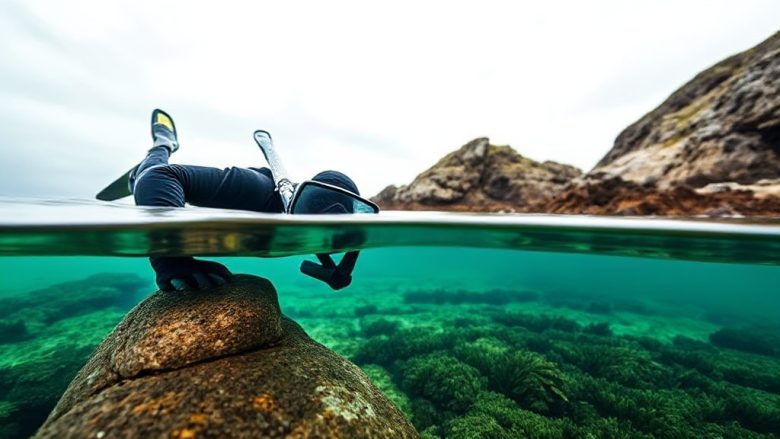
Most people assume you need a passport and a long-haul flight to see anything underwater. Then they stand on a Cornish headland in July, look down, and realise the seabed is right there — kelp, crabs, shoals of pollack, all visible without a mask fogging up in cold air. The UK does have snorkelling worth …
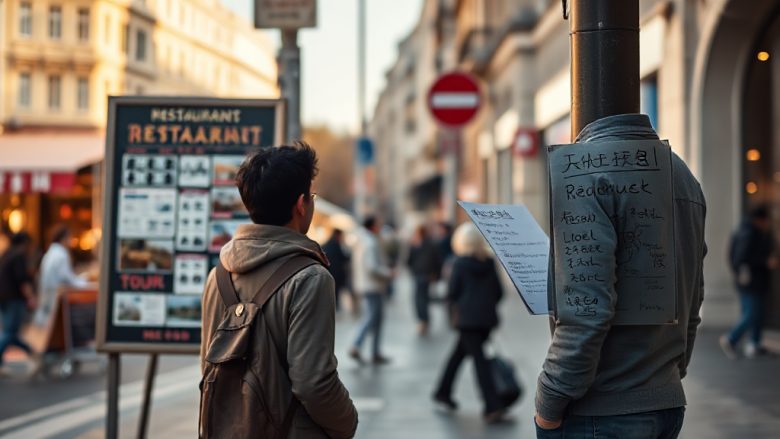
You sit down because the chairs are full and the awning is shady. Then the menu arrives: six languages, glossy photos, and not a single price next to the fish. That moment — before you order, before you pay, before you commit — is where learning how to avoid tourist traps when travelling actually pays …
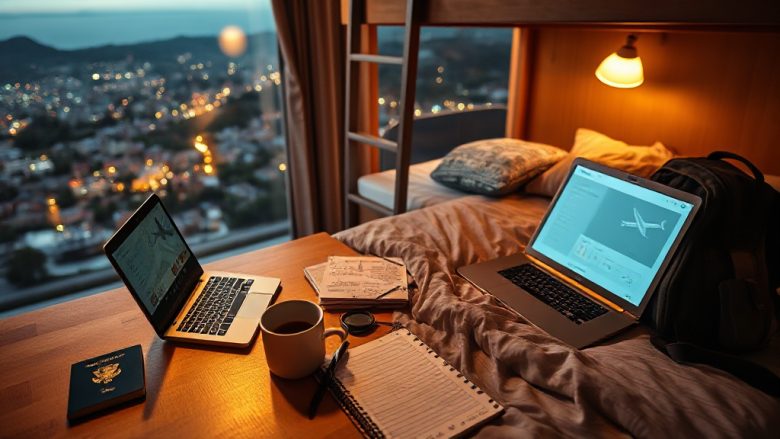
It’s 11pm and I’m staring at a return flight priced at £214, wondering if that’s a good deal or a trap. I’ve never booked a trip on my own before. I don’t know if I can actually afford this once food, beds and buses are added on, and I’m quietly terrified of running out of …
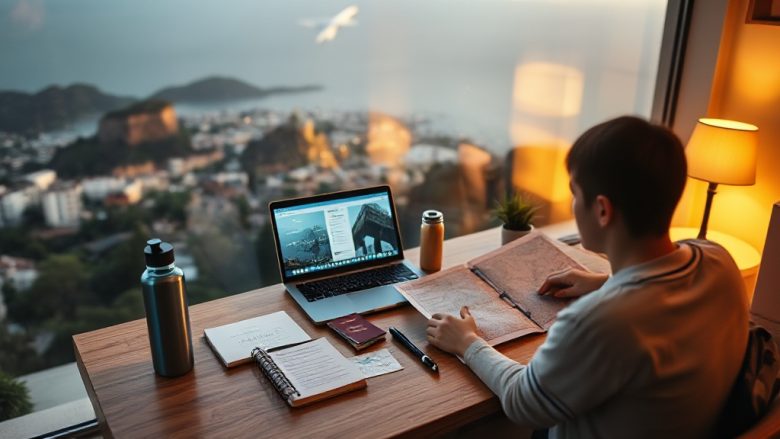
You’re staring at a savings balance that took months to build. On the other screen, a flight search is open, and the cheapest fare is a red-eye with a six-hour layover. Somewhere between those two windows is the trip you actually want, and the money you actually have. This is the moment most first-time travellers …